
Darjeeling labels read like a wine list that got rained on: estate name, grade, invoice number, and a flush. Of those, the flush is the first thing worth learning, because it tells you more about what's in the cup than any of the rest. First flush and second flush come from the same bushes on the same hillsides, often only a few weeks apart, and they taste like two different teas. Knowing which is which saves you money and disappointment.
What "Flush" Means in Darjeeling
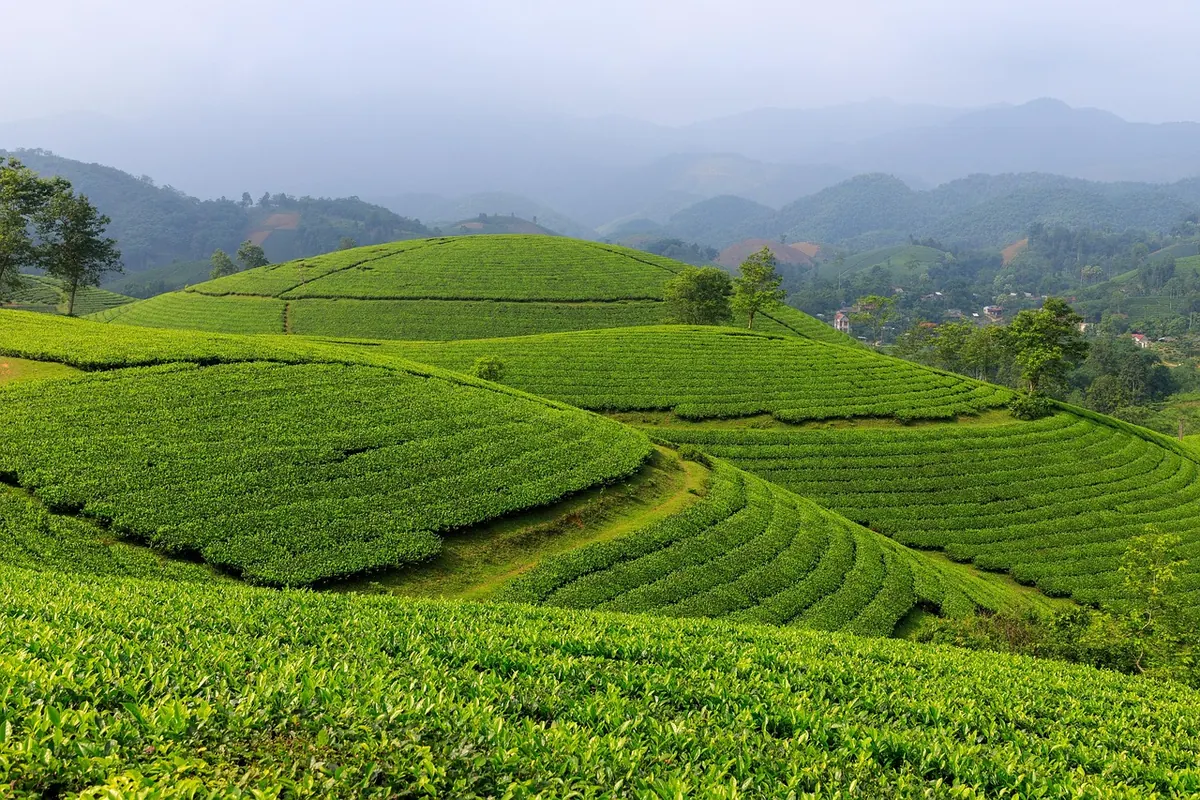
The bushes go dormant in winter. Once the days lengthen and the air warms, new shoots push out and pluckers start taking the standard two leaves and a bud. That burst of growth is a flush. It isn't a one-day event; a flush is a window of several weeks, moving from lower elevations to higher ones as spring climbs the ridges. Darjeeling's season has four of them: first, second, monsoon, and autumn. First and second do most of the talking.
Two forces shape the difference. Weather, because first flush grows slowly in cool air while second flush grows faster under a stronger sun. And processing, because first flush is often made light and green-tinged while second flush is fully oxidized. Change the weather and the oxidation and you change everything downstream.
First Flush: The Spring Picking
First flush runs roughly from late February into mid-April, and it's the tea people mean when they say "spring Darjeeling." The leaf is young, small, and full of moisture. Cool nights and mild days slow the growth, which concentrates aromatics and keeps tannins low.
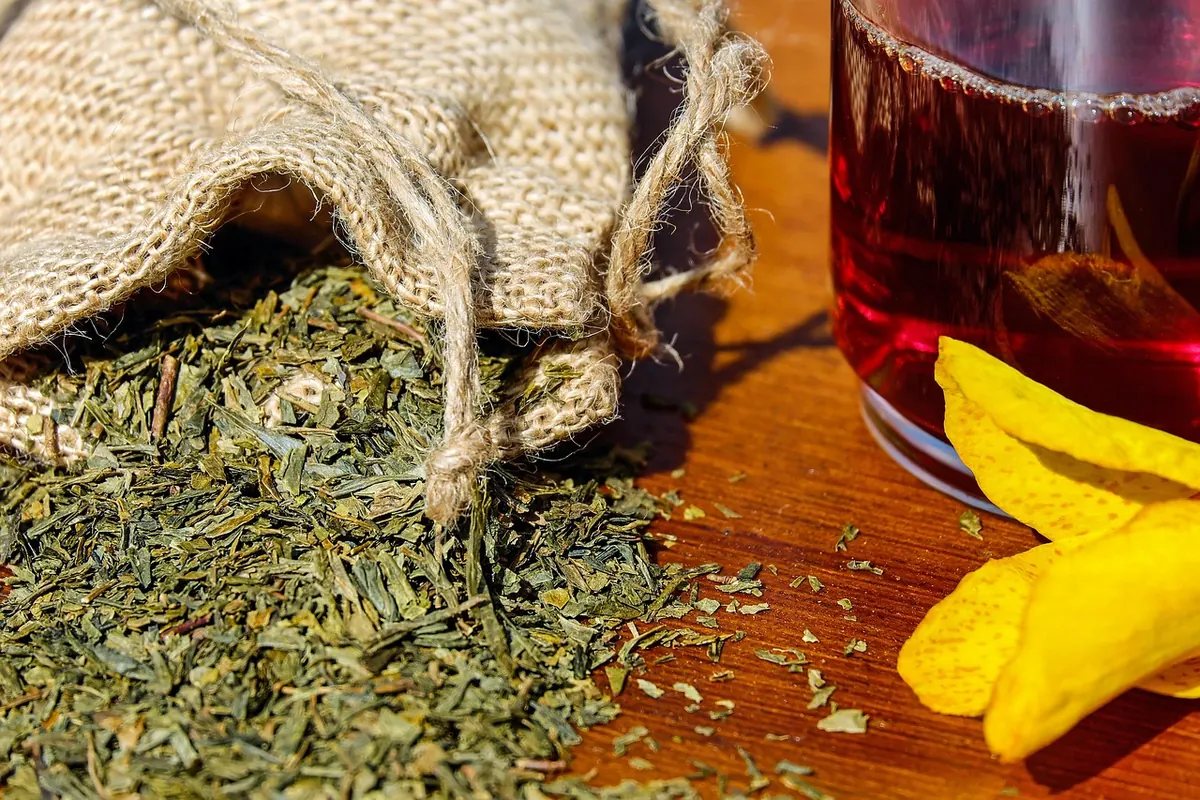
- Dry leaf: olive to sage green, wiry, often heavy with silvery tips and unopened buds.
- Liquor: pale gold, sometimes with a green edge to it.
- Aroma and flavor: white flowers, green apple, hay, fresh pea shoots, a mineral or almost saline note.
- Texture: light-bodied and brisk, with a fine astringency that lingers at the back of the mouth.
It's a delicate tea, and it tastes that way. Some gardens lean into the green character with a light wither and short oxidation; others keep it closer to a classic black. Both are first flush, and both are usually the most expensive tea a garden sells that year.
Second Flush: Where Muscatel Shows Up
Second flush arrives in late May and runs through June, once the weather has settled into warm days and the bushes are growing steadily. The leaves are larger, thicker, and more developed, and most gardens oxidize them fully.
- Dry leaf: dark brown, sometimes nearly charcoal, with golden or silvery tips.
- Liquor: amber to coppery, noticeably darker than spring.
- Flavor: the famous muscatel — a grapey, slightly musky note that isn't actually grapes but has been compared to them for so long the word stuck. Behind it: stone fruit, honey, baked bread, occasionally a woody or spicy edge.
- Texture: fuller and rounder, less sharp, with a sweetness that stays in the mouth.
Second flush also behaves better in the pot. It forgives a slightly long steep, and it stands up to food in a way first flush never quite does.
Quick Comparison
- Harvest: first flush late February to mid-April; second flush late May through June.
- Style: first flush light and green-tinged; second flush fully oxidized and rounder.
- Cup: first flush pale gold; second flush amber-copper.
- Flavor: first flush floral, vegetal, citrusy; second flush muscatel, honey, stone fruit.
- Brewing: first flush wants cooler water and a short steep; second flush takes hotter water and more time.
- Keeping: first flush fades fastest, so drink it within a year; second flush holds its character longer.
Brewing Each One
Darjeeling rewards attention more than most black teas. A basic method that works for both:
- Use fresh, low-mineral water. Hard water flattens the floral notes first.
- Measure generously: about 2.5 to 3 g of leaf per 200 ml, or a heaped teaspoon of whole leaf.
- First flush: 85–88°C, steep 2 to 2.5 minutes. Second flush: 90–95°C, steep 3 to 4 minutes.
- Taste before you commit to a rule. If it's harsh, shorten the next steep or drop the temperature; if it's thin, add leaf rather than time.
- Re-steep. Both flushes give a good second infusion, and often a third, especially first flush.
Skip milk and sugar for first flush; it doesn't survive them. Second flush can handle a splash of milk if that's how you take your tea, but try it plain first and you'll understand why muscatel gets talked about so much.
Beyond the Two Big Flushes
Darjeeling's season doesn't end in June. Between the flushes there's a small "in-between" picking in late spring that often lands somewhere between the two styles. Then come the monsoon teas from July into September: strong, dark, and mostly destined for blends, rarely sold as single-estate lots worth drinking on their own. Autumn flush, picked in October and November after the rains, is the quiet favorite of many Darjeeling drinkers — mellow, fruity, less astringent, and usually better value than spring.
How to Choose
Start with what you actually want from the cup, not with the price tag.
- Want something bright, aromatic and delicate, closer in spirit to a white or green tea? Buy first flush. Drink it in the morning, in a small cup, with nothing added.
- Want a fuller, comforting black tea with the muscatel character Darjeeling is known for? Buy second flush. It's the better everyday choice and the safer gift.
- Buying blind? Look for an estate name, a harvest date, and an invoice number on the label. "Darjeeling" alone tells you almost nothing; estate and date tell you nearly everything. Darjeeling also holds protected geographical indication status, and the Tea Board of India logo on the pack is one authenticity signal.
- Buy small amounts. A 50 g or 100 g pack from a named garden will teach you more than a large tin of a generic blend.
- Store it well: airtight tin, away from light, heat, and spices.
If you can, buy one of each from the same garden in the same year and brew them side by side, one after the other. That's the fastest way to learn the difference, and the reason most people end up keeping both on the shelf.
Photo: anilitf / Pixabay